
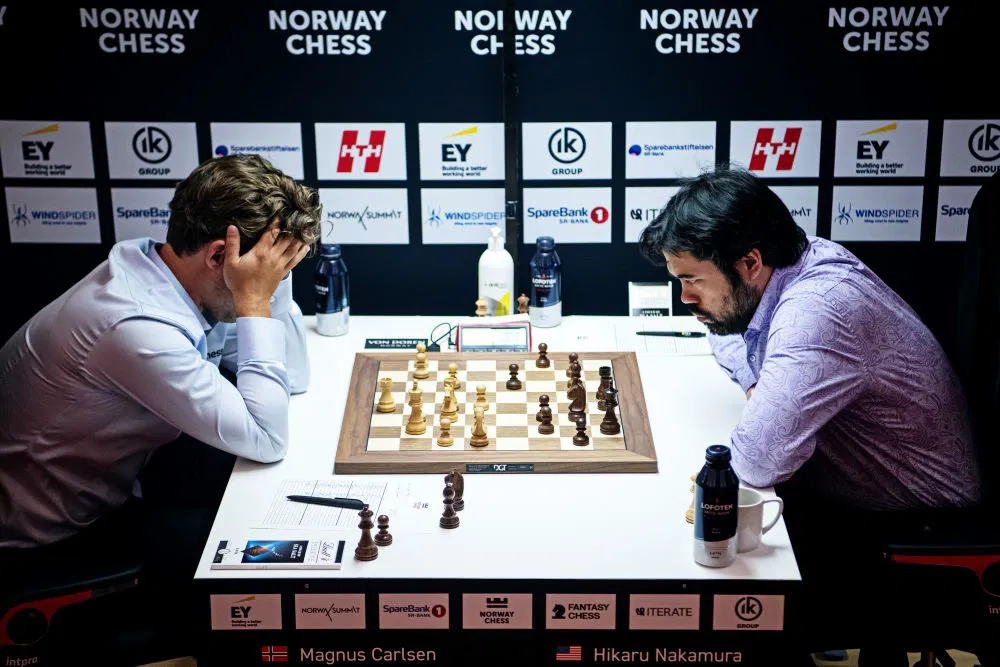
Do Chess Grandmasters Have Genius-Level IQs?
Contrary to the popular trope that "grandmasters are geniuses," the most comprehensive evidence we have to date suggests only a modest relationship between intelligence and chess skill. The strongest summary comes from Burgoyne et al. (2016), a meta-analysis that combined 82 effect sizes from 1,779 players across 19 studies.
What the Best Evidence Says
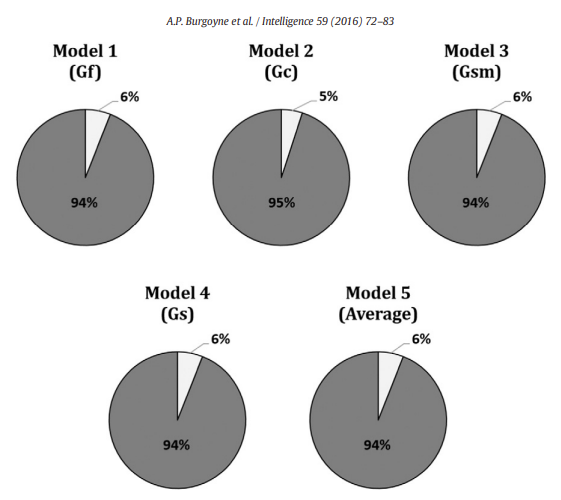
Across studies, the broad cognitive abilities most often claimed to be important for chess skill (such as fluid reasoning, working memory, and perceptual reasoning) show correlations with chess performance in the neighborhood of r ≈ 0.24–0.25. In practical terms, that level of correlation explains only about 6% of the variance in chess skill between players for each ability. Full Scale IQ tends to correlate even more weakly (around r ≈ 0.10 in these samples), partly because many of the rating pools in the research already cluster in the upper-normal range, making them prone to effects of range restriction.
Why Intelligence Matters More Early On
The same meta-analysis also suggests that intelligence is most predictive for children and beginners, where correlations are higher (around r ≈ 0.32). As players become more experienced and enter ranked adult pools, the relationship shrinks substantially (roughly r ≈ 0.11–0.14). This pattern is consistent with the idea that general intelligence provides an initial advantage for early learning, while higher-level performance depends more on accumulated knowledge, deliberate practice, coaching, and domain-specific pattern recognition.
What are the IQs of Chess Grandmasters Who Have Been Tested?
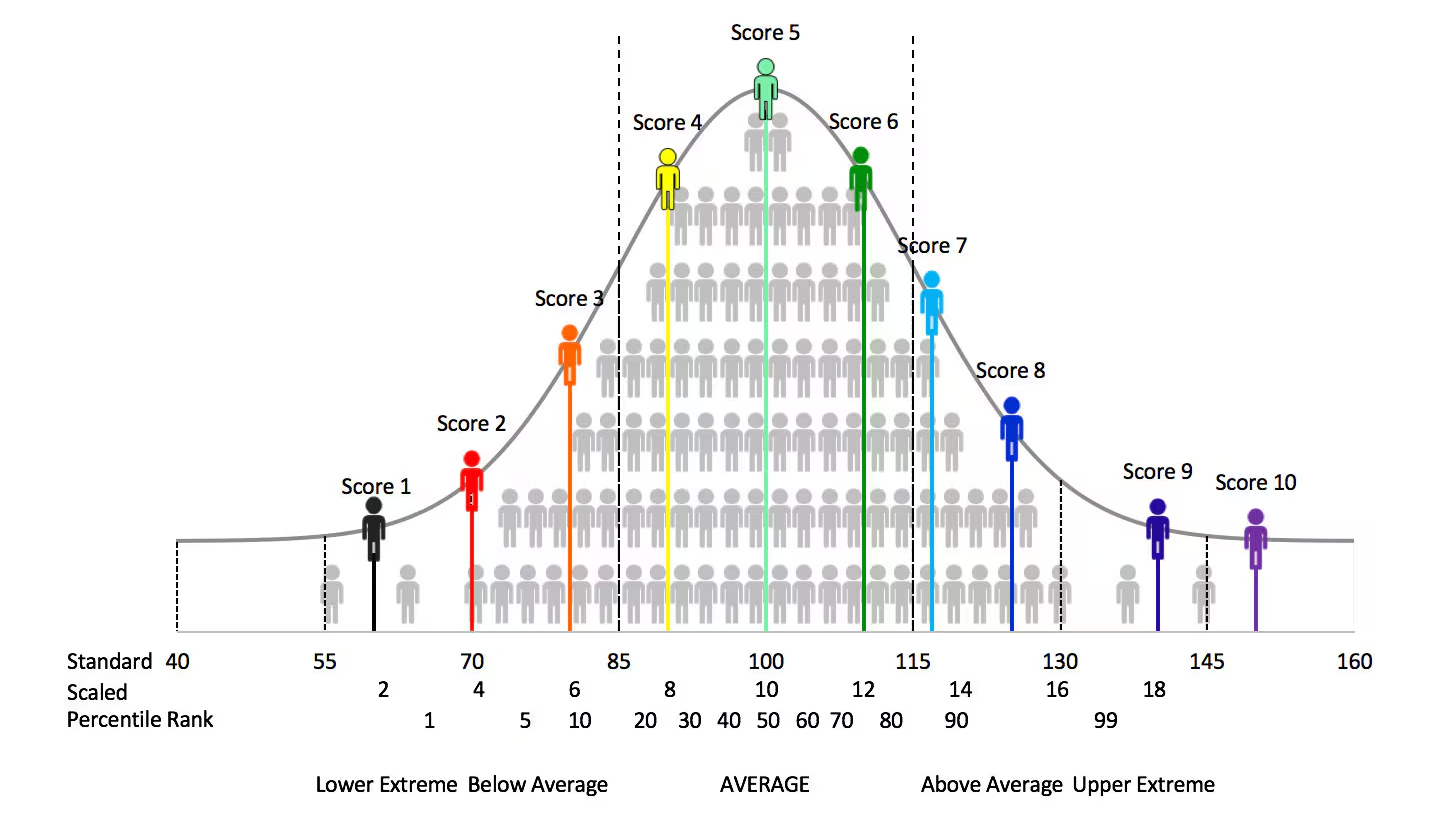
A handful of elite chess players have been tested publicly. For example, Garry Kasparov reportedly scored around 135 on an assessment administered by psychologists. While this is a high score, is is not an extremely rare “once-in-a-generation genius” level, representing a rarity of approximately 1 in 102 people. Cases like this align with the broader research: while cognitive ability may offer a small but reliable head start, the difference between skilled players and grandmasters is far more strongly driven by systematic study, lots of practice, and elite training.
To put it simply, an extra ten IQ points isn't gonna improve your chess Elo rating as much as structured analysis, coaching, and serious tournament experience. Intelligence may help someone learn faster at the beginning, but it does not substitute for the dedicated training that separates grandmasters from weekend players.
Reference
Burgoyne, A. P., Sala, G., Gobet, F., Macnamara, B. N., Campitelli, G., & Hambrick, D. Z. (2016). The relationship between cognitive ability and chess skill: A comprehensive meta-analysis. Intelligence, 59, 72–83. https://doi.org/10.1016/j.intell.2016.08.002
Comments
Sign in to leave a comment.
No comments yet. Be the first to comment!